

Affiliate QR sales via Bengaluru & Delhi-NCR influencers
A unique link and QR per creator, click to view to book attribution and a starting rate card by creator tier, with a worked example for Bengaluru and Delhi-NCR.
Why creators suit live events
A ticket is an impulse-plus-planning purchase. People decide to go because someone they trust says it is worth it, then they check the date, the price and who else is going. A creator whom a few thousand people follow for food, comedy, fitness, music or campus life is exactly that trusted voice. Paid ads can reach strangers; a creator reaches people who already listen to them.
The risk is spending money on posts you cannot measure. The fix is attribution: every creator gets their own trackable link and QR code, and you pay for tickets sold rather than for posts published. Then the creator carries the cost of a weak post, and you carry no upfront cost beyond any fixed fee you agree.
This article sets out how to run that for events in Bengaluru and Delhi-NCR, but the method works for any city.
The mechanics: one creator, one link, one QR
A QR code is only a picture of a web address. The useful thing is the address behind it. Whether you use the platform's affiliate links or build your own, the principle is the same: a separate tracked link for each creator. If you build your own, add campaign tags to your event page URL:
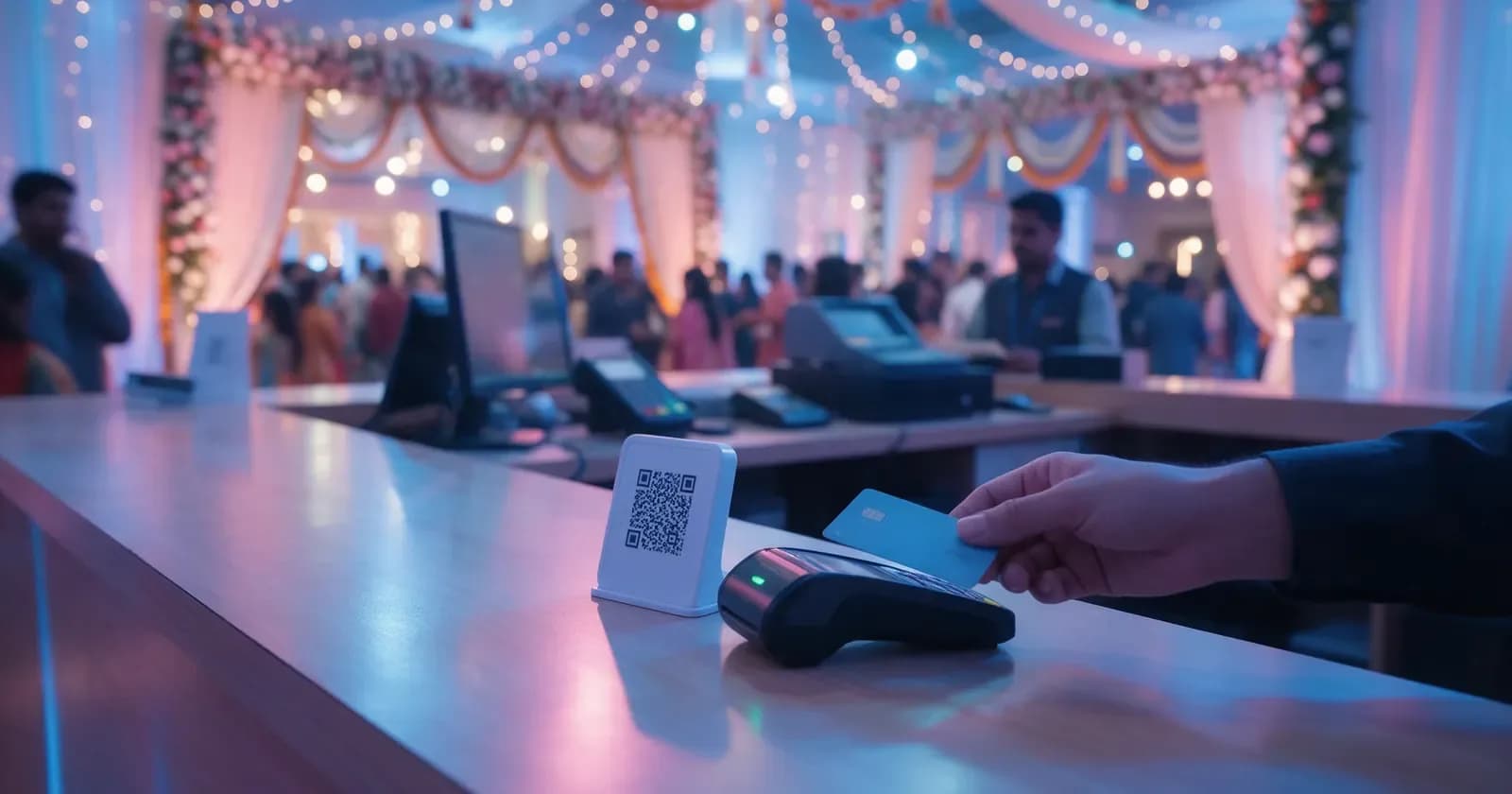
Shorten the link, then generate a QR code from the short link for posters and stories. Because every creator has a different code, your analytics can tell you which creator's audience visited, started checkout and bought. In the ticketprix publisher, an event has an Affiliate section where you can add affiliate partners, each with their own link and QR code and an agreed commission, and see sales split by channel. You can also pair a creator with a coupon code where you want a visible discount to reward followers. Check the Affiliate and coupon screens for the options available on your plan, and ask the ticketprix team if you want a different tracking setup.
Two warnings. First, a link-based method misses people who see a post, then search for the event and buy later. Treat tracked sales as a floor, not the full effect. Second, QR codes in a printed poster can be scanned by anyone; if you give one creator a printed standee, give it a code that is clearly theirs and nobody else's.
What to measure for each creator
Use a short funnel, written down before the campaign starts:
From this you get two ratios that matter. Booking-per-open shows how well the creator's audience matches the event. Refund share shows whether the promise they made was honest.
Creator tiers and a starting rate card
Follower count is a weak predictor of ticket sales. Fit and trust matter more. Still, you need a simple structure to negotiate. Here is a starting point, which you should treat as a hypothesis to test with your own data, not as market-standard rates.
For a commission rate, a common way to think about it is as a share of what you would otherwise spend to acquire a buyer. Say you currently pay ₹150 to acquire one ticket buyer through paid ads. If a creator brings a buyer at a 10 per cent commission on a ₹1,500 ticket, you pay ₹150, which is the same. A commission above that only makes sense if the creator's buyers are better (they refund less, they come back, they bring friends). All numbers here are illustrative.
You will likely want a lower commission for macro creators who are paid a flat fee and a higher commission for nano creators who are paid nothing upfront. Start with a range, then adjust after the first event using real conversion data.
A worked example
Say you are selling a comedy night in Bengaluru with a ₹1,200 ticket and a 600-seat hall. You decide on an affiliate budget of 15 per cent of ticket revenue at most.
Suppose the tracked results are:
Total tracked tickets are 220, which is about 37 per cent of the hall. Total tracked revenue is ₹2,64,000. Total cost is ₹17,280 + ₹10,800 + ₹17,400 = ₹45,480, which is about 17 per cent of tracked revenue.
You were aiming for 15 per cent, so you are slightly over. The detail tells you where: the macro creator's cost per ticket is ₹17,400 ÷ 40 = ₹435, against ₹144 for micro and ₹180 for nano. The decision for next time is obvious: shift budget from macro to micro and nano, or negotiate the macro creator down to commission only. These figures are an invented example to show the arithmetic, not results from any real event.
Bengaluru and Delhi-NCR: what to test
Do not assume what one city's audiences want. Use these as questions to test with your own data.
Rules you must follow
Paying creators fairly and quickly
Payout timing affects effort. A creator who waits months for a commission has little reason to post again. A sensible rule is to pay on sales that have cleared your refund window, not on the date of the event, and to share a simple statement showing tickets, refunds and the amount due. Agree this in writing before the campaign, and keep the schedule you promise. Where tickets can be refunded, state clearly that commission on refunded tickets is reversed.
Share each creator's funnel numbers with them. When people see their own results, they usually learn which format works, and they compete with their peers.